

All services
Continue planning with a closely related 502 Junk Removal page.
Read this guide →Research Blog
A locally relevant, source-supported guide for Louisville homeowners, property professionals and businesses.

Direct answer
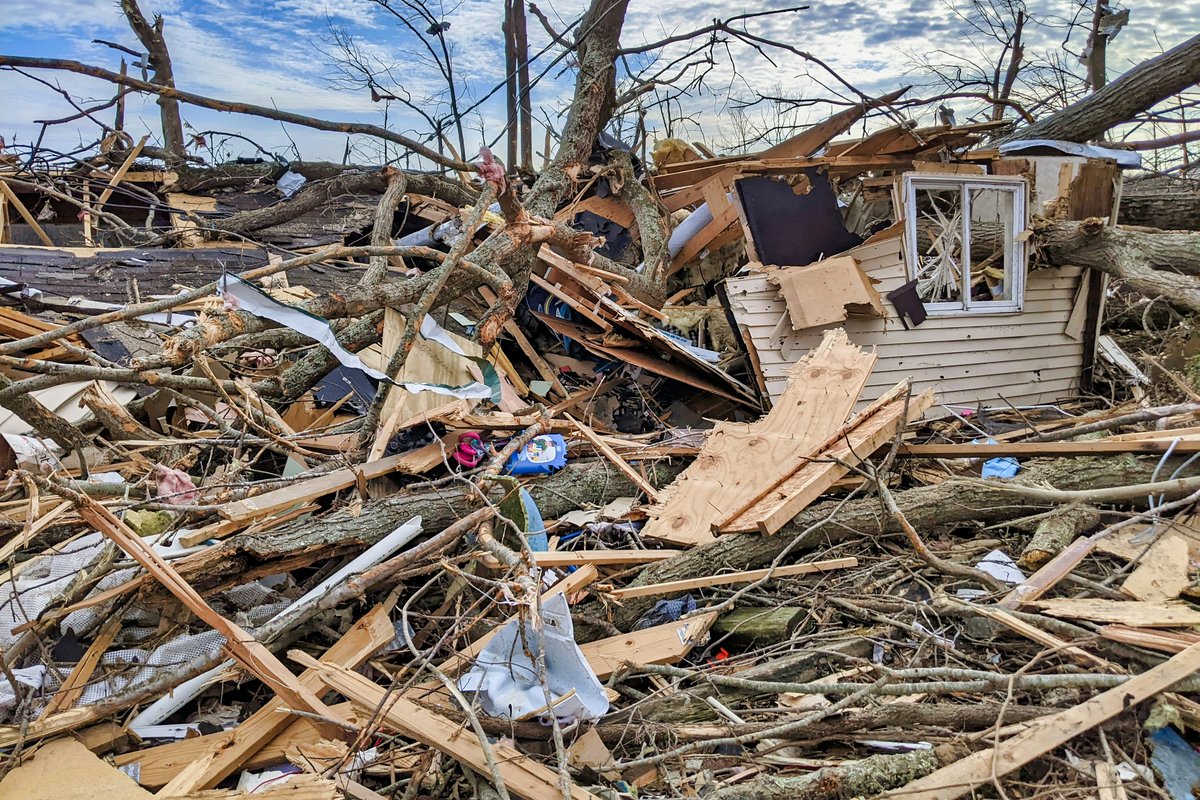
After a storm, the first priority is not loading debris. Check for downed utilities, unstable trees, damaged structures, floodwater, gas odor, fire, and other immediate hazards. Document damage before moving material when it is safe, follow insurance or assistance instructions, and separate vegetative, household, construction, appliance, electronic, and hazardous debris so each category can follow the correct path.
FEMA debris guidance recommends documenting damage with photographs and lists before cleanup because the record may support insurance or assistance. The correct documentation process depends on the policy or program, so owners should follow the instructions they receive.
FEMA safety guidance advises protective clothing and warns people to stay away from damaged structures and visible cables. Downed or hidden electrical lines, unstable trees, sharp debris, floodwater contamination, and gas leaks are not ordinary hauling conditions.
Louisville collection instructions can change after a major event. Normal yard-waste or large-item rules may not be the same as a special storm-debris program. Check Metro311 and current emergency announcements before setting material out.
Moving debris too early can erase damage evidence or expose people to electricity, structural collapse, sharp metal, contaminated water, animals, chemicals, mold, or unstable branches. A property that looks calm may still contain hidden hazards.
Mixing all debris together makes later handling harder. Refrigerant appliances, electronics, paint, fuel, batteries, chemicals, tires, vegetative debris, construction material, and ordinary household goods may require different collection or disposal decisions.
Responsible urgency means dealing with a real access, legal, safety, or property problem without exaggerating it. The goal is not to frighten or shame anyone. The goal is to keep people from making the project harder by moving the wrong material, blocking an exit, losing documentation, or creating an unauthorized set-out.
At each step, stop if the project reveals human waste, needles, drug residue, animal waste, mold, suspected asbestos, structural instability, fire damage, biohazards, chemicals, decomposition, infestation, weapons, explosives, downed utilities, or another condition outside ordinary hauling. A specialized assessment may be necessary.
| Option | Often fits | Important limit |
|---|---|---|
| Emergency or utility response | Downed lines, gas odor, fire, collapse, active flooding, or immediate danger | Do not enter or move debris until the responsible authority says it is safe. |
| Special storm collection | A declared local program with published sorting and set-out rules | Follow current instructions; normal collection assumptions may not apply. |
| Insurance or restoration contractor | Covered building damage, drying, repair, or restoration work | Document the loss and understand the contractor’s debris scope. |
| Private junk or yard-debris removal | Accepted nonhazardous debris after the site is safe | Confirm material categories, access, and final destination. |
No table can replace current program rules or a project-specific quote. Public collection, self-haul, donation, recycling, private removal, restoration, and licensed remediation are different services.
Write the decisions down. A simple inventory, photo set, material list, and named decision-maker can prevent accidental removal and help compare options on the same facts.
502 Junk Removal may be considered for accepted, nonhazardous storm-related clutter, yard debris, or property cleanup after utilities, structures, fire, floodwater, and other hazards have been assessed. It should not be represented as an emergency-response, tree-removal, electrical, structural, mold, or biohazard service.
A useful quote should identify the items, material categories, access, labor, loading, restrictions, and what happens if the actual project differs from the initial description. The safest next step is to send complete information rather than asking for a number based on one close-up photograph.
Also ask for the exact company name, current contact information, confirmed appointment terms, and any insurance or licensing information relevant to the work. Large or commercial projects benefit from a written scope and a final approval process before loading begins.
Check the current Louisville Metro tools linked below, make a complete item list, photograph the project from safe angles, and separate anything that appears regulated or hazardous. Then compare the public, self-haul, private, or specialist option that actually matches the property and material.
Sources were reviewed for this template on 2026-08-09. Public-program rules, facility details, and agency pages can change. Verify current requirements before acting.
After a storm, the first priority is not loading debris. Check for downed utilities, unstable trees, damaged structures, floodwater, gas odor, fire, and other immediate hazards. Document damage before moving material when it is safe, follow insurance or assistance instructions, and separate vegetative, household, construction, appliance, electronic, and hazardous debris so each category can follow the correct path.
Stop when the project reveals a regulated, hazardous, biohazardous, structurally unstable, emergency, or otherwise unknown condition that requires specialized assessment or public-safety help.
502 Junk Removal may be considered for accepted, nonhazardous storm-related clutter, yard debris, or property cleanup after utilities, structures, fire, floodwater, and other hazards have been assessed. It should not be represented as an emergency-response, tree-removal, electrical, structural, mold, or biohazard service.
Related Planning
Continue planning with a closely related 502 Junk Removal page.
Read this guide →Continue planning with a closely related 502 Junk Removal page.
Read this guide →Continue planning with a closely related 502 Junk Removal page.
Read this guide →Continue planning with a closely related 502 Junk Removal page.
Read this guide →Clear the Next Step
Share the address, item list, access details and preferred timing. Acceptance and scheduling are confirmed before service.