

Cabinet and Countertop Removal Debris
Continue planning with a closely related 502 Junk Removal page.
Read this guide →Construction and Demo Debris
Research-informed planning for a clearer, safer and more comparable junk-removal decision in the Louisville area.

Direct answer: Wood Scrap Debris Removal Guide is best approached as a scope-and-decision problem, not only a keyword. Identify the material, who controls it, where it is located, how it can be reached, which rules apply and what outcome is needed before choosing public collection, self-hauling or full-service removal.
People search for wood scrap debris removal guide when they need a concrete next step. The same phrase can describe a single bulky item, several rooms, a deadline-driven property turnover or a dense debris pile. The useful definition is therefore operational: the approved material must be identified, a safe path must exist, the loading method must fit the property and the final destination must accept the material.
For Louisville projects, 502 Junk Removal's associated official service information supports furniture and mattresses, appliances and household items, garage and storage cleanouts, basement and attic cleanouts, moving and downsizing material, yard debris, construction and renovation debris, rental and estate cleanouts, foreclosed-home projects, offices, retail locations and construction sites. This guide explains how to plan within those categories without inventing services, prices or disposal claims.
A search result rarely shows the factors that control the job. Material may be heavier than it looks. A public program may apply only to certain addresses or quantities. A landlord may need lawful possession before removal. A refrigerator may need special handling. A demo pile may contain sharp metal, dust or suspect material. The planning method below is designed to expose those differences before a crew is standing at the property.
The practical concern is not that every project is dangerous or complicated. It is that hidden details create delays, price changes and disposal problems. Clear photos and written exclusions reduce those surprises. They also help the customer compare a full-service quote with alternatives on the same scope.
Write one sentence that describes completion. Examples include: remove the selected furniture but leave built-in shelving; clear the garage floor and walking path; remove approved tenant-left contents after possession is confirmed; or haul separated drywall and wood after a contractor completes tear-out. A finish line is more useful than saying "take the junk" because it identifies boundaries.
Create at least four zones: keep, remove, donate or reuse when practical, and specialist review. The specialist zone should capture chemicals, fuel, paint, cylinders, medical waste, sharps, suspected asbestos, biohazards, severe mold, ammunition, explosives, contaminated soil or anything with an unknown label. Do not bury these items under ordinary material.
Louisville customers may have address-specific large-item collection, drop-off, retailer take-back, donation, self-hauling or private removal options. Each has different labor, timing, eligibility and preparation requirements. Clean Louisville currently directs residents to arrange a pickup plan before setting out large items and to use current disposal tools. Verify the program for the exact item and address rather than relying on a general page.
Photograph doorways, stairs, elevators, alleys, driveways, gates and the legal loading area. Explain whether disassembly is needed and whether a building manager must reserve an elevator or dock. Heavy-item work should not begin by dragging an object into a common hallway or blocking an exit. A safe route is part of the scope.
Ask each provider to address the same material, access, labor and finish line. A low number based on curbside pickup cannot be compared directly with a quote that includes interior removal, stairs, sorting and documentation. Ask what happens if hidden layers, dense debris or additional rooms are discovered and who may approve the change.
| Estimate input | Useful detail | Common ambiguity |
|---|---|---|
| Photos | Wide shots, close views and access route | Only the front layer is visible |
| Material | Furniture, appliances, yard debris or construction debris separated | Mixed piles conceal weight or restricted items |
| Labor | Floor, stairs, carry distance and disassembly | "Easy access" can mean different things |
| Completion | Selected items, empty room, entire property or debris pile | Customer and crew picture different finish lines |
Wood Scrap Debris Removal Guide should lead to a safer, more predictable decision. Check the current public option, identify material that needs a specialist, and send a complete project package before requesting a private-service date. The gain is not only cleared space. It is fewer last-minute surprises, a clearer price comparison, better control of personal property and a documented path from problem to completion.
Define the real project scope first: material, location, access, authority, timing and the condition needed at completion. The keyword alone is not enough to quote or schedule the work.
Use the checklist to compare public options, self-hauling and full-service removal, then confirm current address-specific rules and material acceptance before moving anything outside.
Send photos, item or room counts, the service ZIP code, stairs, carry distance, elevator or gate details, heavy or unusual material, deadline and anything that must remain.
Asbestos, chemicals, wet paint, fuel, cylinders, medical waste, biohazards, needles, ammunition, explosives, contaminated soil, refrigerants and unstable structures can require specialized handling or assessment.
No. It is a practical planning resource. Owners, landlords, lenders, estate representatives and contractors should confirm the laws, contracts, notices, permits and agency rules that apply to their specific project.
Rules, programs and facility requirements can change. Verify the current address-specific or material-specific requirement before setting items out or transporting them.
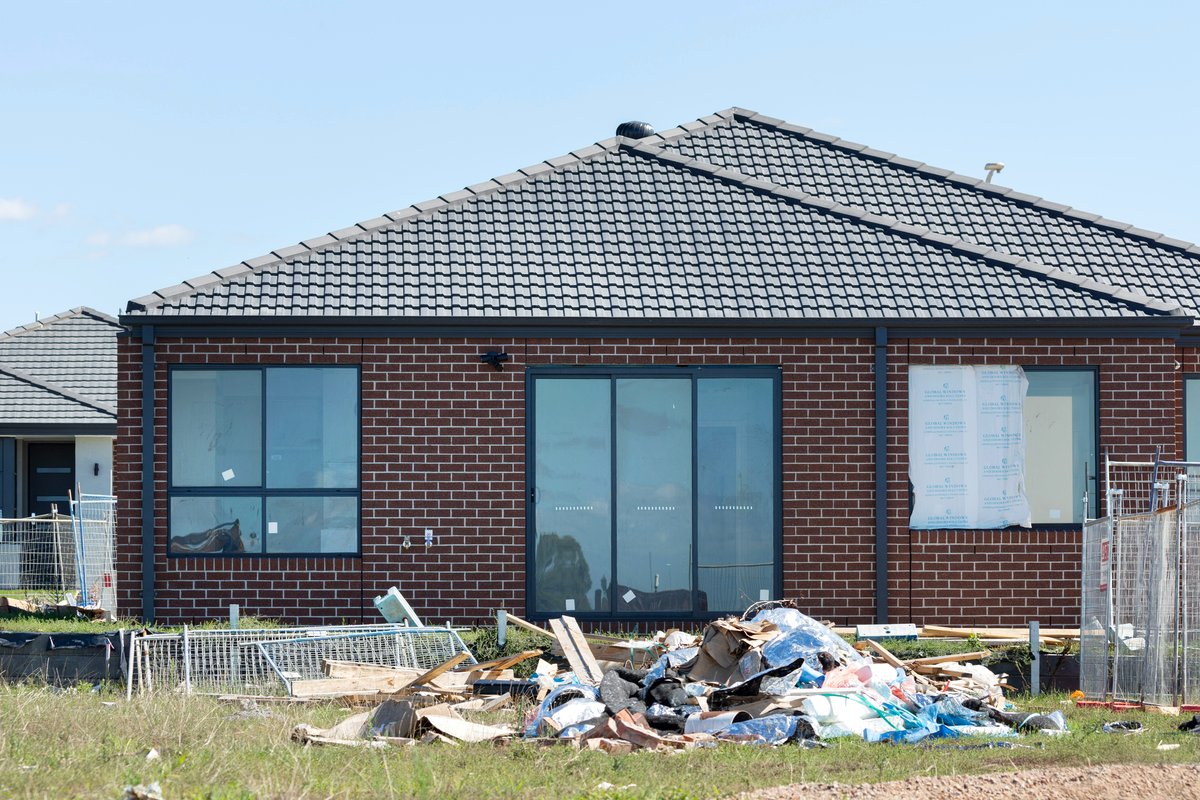
Related Planning
Continue planning with a closely related 502 Junk Removal page.
Read this guide →Continue planning with a closely related 502 Junk Removal page.
Read this guide →Continue planning with a closely related 502 Junk Removal page.
Read this guide →Continue planning with a closely related 502 Junk Removal page.
Read this guide →Continue planning with a closely related 502 Junk Removal page.
Read this guide →Continue planning with a closely related 502 Junk Removal page.
Read this guide →Clear the Next Step
Share the address, item list, access details and preferred timing. Acceptance and scheduling are confirmed before service.